
A Guide by Vince Chafin
Why You Keep Choosing
the Wrong Man
12 reasons the wrong man feels right, and how to finally address the wound beneath the pattern.
The Paradox
You have done
the work.
yet the pattern persists.
You may have been to therapy. Read all the books. Attended the retreats. You know your attachment style. You understand, intellectually, why you keep ending up in the same dynamic with men who will not commit, who run hot and cold, who are present and then absent.
You can describe the pattern with precision. And you are still in it.
Every new person you meet starts differently and ends the same way. You do not understand why understanding it has not changed it.
You have been looking at the right problem, but picking up the wrong tool.
What’s really going on
Four things worth
sitting with.
01
The ones you choose are always him.
The map is accurate. You are still walking into the same territory.
02
What you are feeling is not chemistry.
That pull is a stress response. The instrument is measuring the wrong thing.
03
He carries something you buried.
What you are drawn to in him is something you were taught to disown.
04
The pattern is subconscious.
Attachment theory. Nervous system work. Inner child. None of them reach the root.
Inside the guide
12 reasons.
One honest answer.
What women are saying
I have done years of therapy and read every book. This is the first thing that actually named what I was doing, and I felt it, not just understood it.
Rachel M.
Completed the guide in one sitting
The section on the inner masculine stopped me cold. I had to put it down and sit with it. I have never had that happen with a book.
Danielle K.
Shared it with her therapist
I kept waiting for the part where it told me what to do differently. Then I realized the seeing was the doing. That shift was worth everything.
Mara T.
Returned for the 1:1 session
What you’ll walk away with
Not more theory.
A real solution.
This is not a new framework for understanding the pattern. It is the most direct account I can offer of what has been operating, and what changes when that specific material is finally seen.
Why the pull toward unavailable men is not a flaw in your character.
The specific mechanism that attachment theory and nervous system work have not reached. The wound.
Why the right man will feel wrong at first, and what that actually means.
The difference between understanding a pattern and having a real solution for what's driving it.
What changes when the inner masculine is integrated, in your relationships and your life.
Why more self-knowledge has not produced a different result, and what the next step requires.
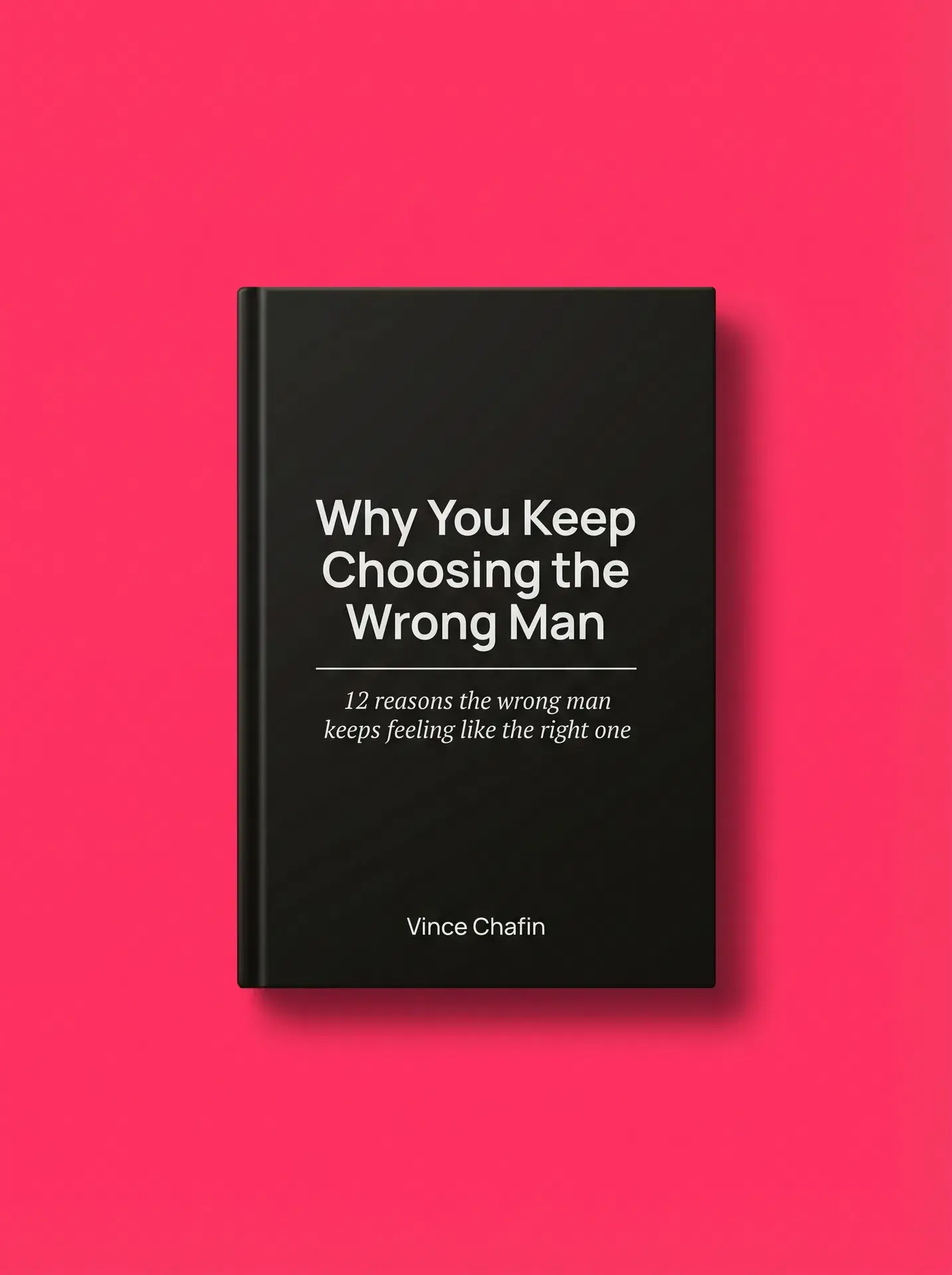
BONUS! Extra Guide Available Now
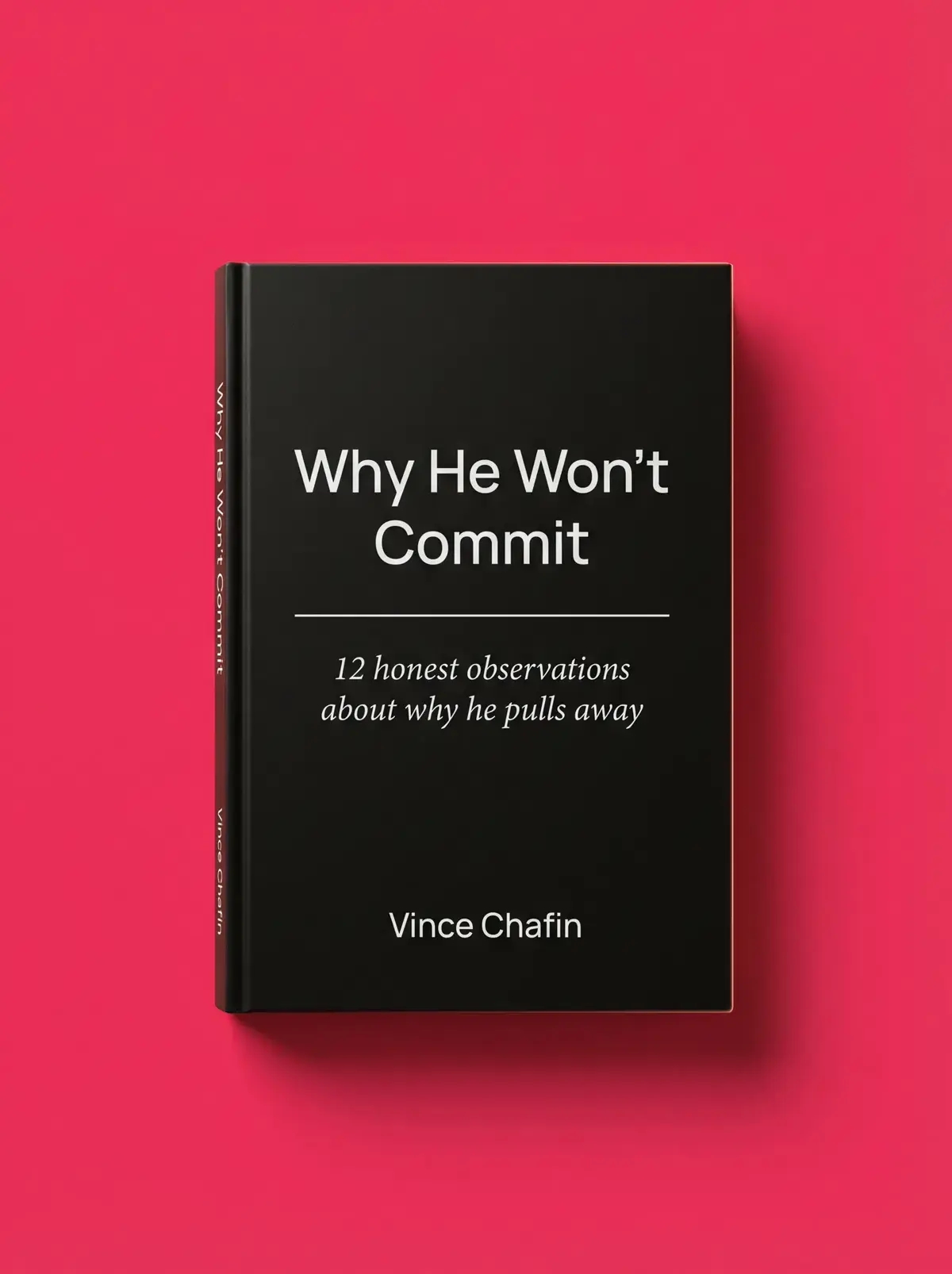
Why He Won’t Commit:
The Uninitiated Man
The companion guide. 12 honest observations from a man who has sat with both sides of this for twenty-five years, and who was divorced twice before he understood the difference.
What’s inside
He is not withholding commitment. He is operating from a template laid down long before you arrived.
The difference between a man who wants to love and a man who has developed the capacity for it.
Why pushing for commitment accelerates the very withdrawal you are trying to prevent.
What "I'm not ready" actually means, and the one case in which it is simply true.
The specific interior work that changes a man's relationship to commitment, and why it cannot be done for him.
What becomes possible between two people who have each done this work.
“Both guides point toward the same place from different directions. What becomes possible when a woman has done serious interior work is qualitatively different from most of what passes for intimacy.”
Vince Chafin
One-time offer · Not available separately
Get the guide
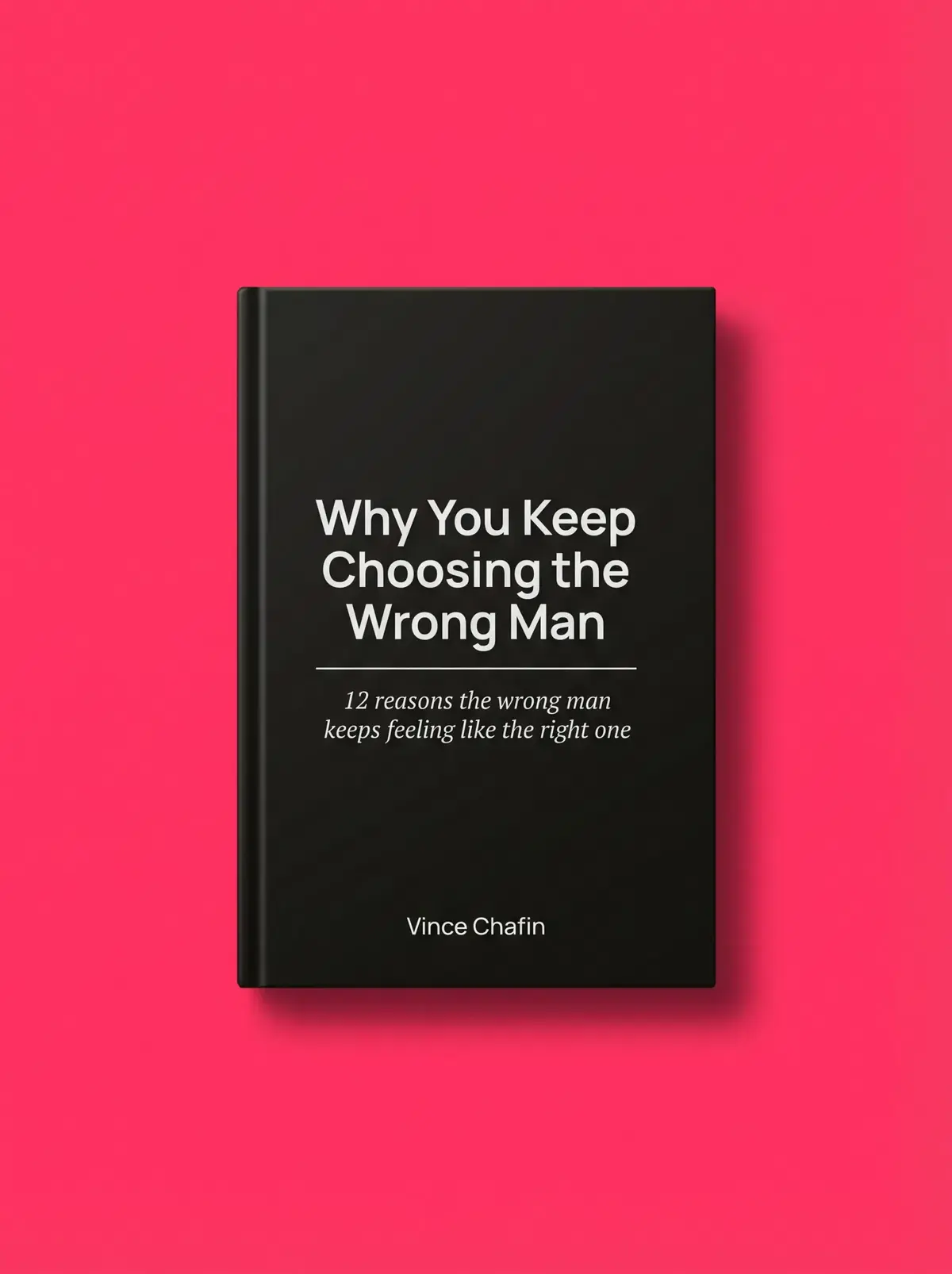
Why You Keep Choosing The Wrong Man
A relational guide by Vince Chafin
- Why the pull toward unavailable men is not a flaw in your character.
- The specific mechanism that attachment theory has not reached.
- Why the right man will feel wrong at first, and what that means.
- What changes when the wound is addressed.
- Why more self-knowledge has not produced a different result.
- The areas your subconscious will not address.
About Vince Chafin
25+ Year Career
in Men’s Work.

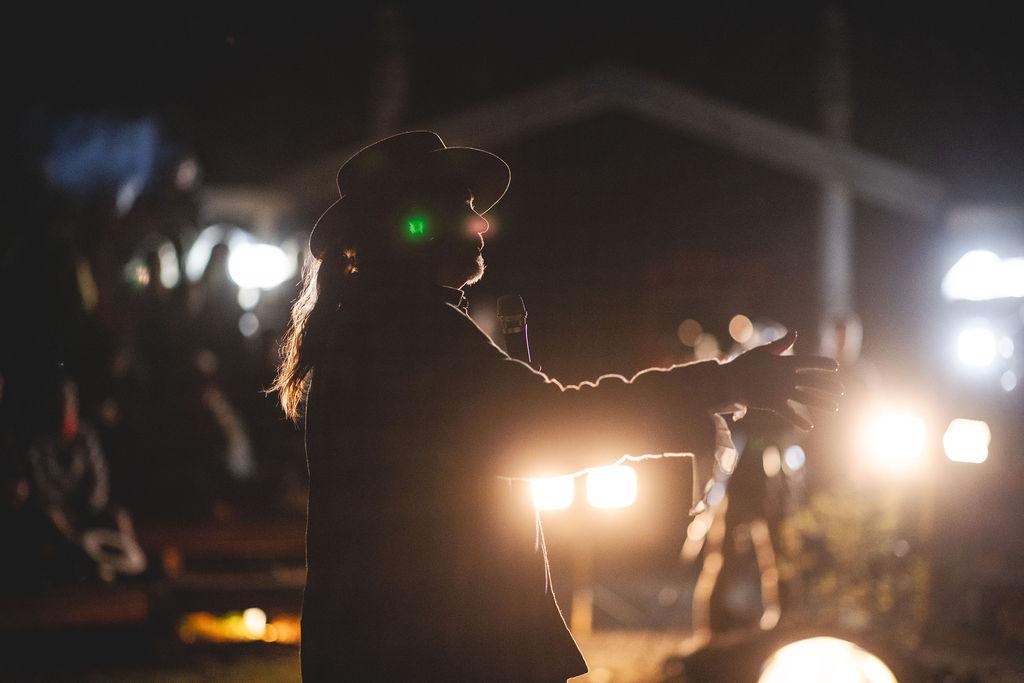
Vince Chafin is a men’s work elder with a career spanning twenty-five years in experiential facilitation, practicing across four continents with men, women, and couples at every stage of the work described in this guide.
He trained in and held leadership roles within the ManKind Project, where he rewrote the iGroup Facilitation Training curriculum used by organizations internationally. His facilitation draws on unconscious pattern work, Internal Family Systems, Gestalt, psychodrama, family constellation, voice dialogue, and somatic practice, applied not as separate modalities but as a single integrated approach shaped by decades of work in real rooms with real people.
He found his way into this work because he needed it. He needed to find people who had figured out what he had not. Eventually he became one of them. That is the only credential that has ever mattered to him.
When people ask him what he does, he replies, “I try to be useful.”